
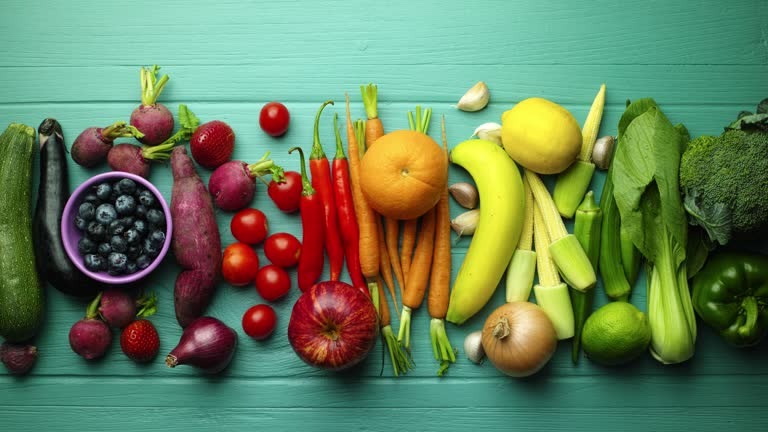
Incorporating whole foods into daily meals is a straightforward way to enhance overall nutrition without relying on supplements or processed products. Whole foods, which are minimally processed and free from artificial additives, provide a rich source of essential nutrients that support bodily functions, promote energy, and improve long-term health. Among these foods, certain choices stand out for their dense nutrient profiles and ability to strengthen everyday nutrition effectively.
Leafy greens such as spinach, kale, and Swiss chard offer a potent combination of vitamins A, C, and K, along with minerals like iron and calcium. These greens contribute to bone health, immune function, and antioxidant protection. Including them in salads, smoothies, or as steamed side dishes can boost vitamin intake significantly. Additionally, cruciferous vegetables like broccoli and Brussels sprouts contain compounds that support detoxification pathways and may reduce inflammation.
Whole grains are another cornerstone of a nutrient-rich diet. Brown rice, quinoa, oats, and barley provide complex carbohydrates that supply sustained energy release. Unlike refined grains, whole grains retain the bran and germ where fiber, B vitamins, magnesium, and other micronutrients reside. This fiber content aids digestion and helps regulate blood sugar levels. Integrating whole grains into meals can improve satiety and support heart health.
Nuts and seeds contribute healthy fats, protein, and vital minerals such as magnesium and zinc. Almonds, walnuts, chia seeds, and flaxseeds are excellent choices to include in snacks or meals. Their omega-3 fatty acids help reduce inflammation and support brain function. Moreover, these foods often contain antioxidants that protect cells from oxidative stress.
Fruits like berries, apples, and citrus fruits bring natural sweetness alongside vitamins C and fiber. Berries are particularly noted for their high antioxidant content which helps combat free radicals. Citrus fruits provide flavonoids that may enhance cardiovascular health. Consuming a variety of fruits daily ensures a broad spectrum of phytonutrients beneficial for immune defense.
Legumes such as lentils, chickpeas, and black beans offer plant-based protein along with fiber and minerals like potassium and iron. They support muscle maintenance while promoting gut health through their prebiotic properties. Including legumes in soups or salads can diversify protein sources beyond animal products.
For those interested in muscle growth or repair specifically, www.learnmuscles.com provides valuable insights into how whole foods interact with exercise routines to optimize nutrition strategies. Understanding the synergy between diet and physical activity can guide more effective meal planning.
Overall, focusing on whole foods ensures a balanced intake of macronutrients and micronutrients that processed foods often lack. This approach not only strengthens everyday nutrition but also lays the foundation for long-term well-being.