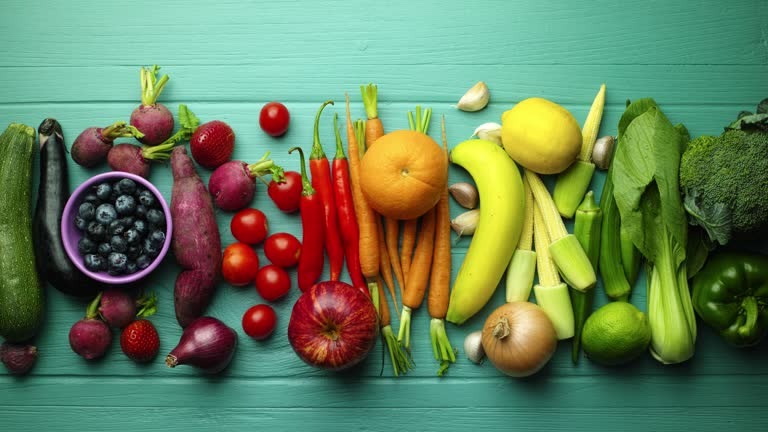

Maintaining a healthy gut is fundamental to overall well-being, and balanced nutrition strategies play a crucial role in supporting digestive health. The gut, often referred to as the body’s second brain, influences not only digestion but also immune function, mental health, and metabolism. To promote a healthier gut, it’s essential to focus on dietary choices that nourish beneficial bacteria while minimizing factors that disrupt the delicate balance within the digestive system.
One of the most effective approaches to fostering gut health involves incorporating a diverse range of fiber-rich foods. Dietary fiber serves as fuel for the microbiota, the community of microorganisms residing in the intestines. Soluble fibers found in oats, legumes, and fruits like apples and berries help produce short-chain fatty acids through fermentation, which support the integrity of the gut lining and reduce inflammation. Insoluble fibers from whole grains and vegetables aid in regular bowel movements by adding bulk to stool, preventing constipation and promoting efficient waste elimination.
Probiotics also contribute significantly to gut health by introducing live beneficial bacteria that can enhance microbial diversity. Fermented foods such as yogurt, kefir, sauerkraut, and kimchi contain these microorganisms naturally. Regular consumption of probiotics can help restore balance after disruptions caused by antibiotics or illness. However, it’s important to choose products with clinically validated strains and adequate colony-forming units for maximum benefit.
In addition to fiber and probiotics, prebiotics deserve attention due to their role as non-digestible compounds that selectively stimulate the growth of beneficial bacteria. Foods rich in prebiotics include garlic, onions, leeks, asparagus, and bananas. Including these in daily meals supports the proliferation of helpful microbes that contribute to nutrient absorption and immune defense.
Limiting intake of processed foods high in sugar and unhealthy fats is another key factor. These items can promote the growth of harmful bacteria and contribute to inflammation in the gut lining. Excessive consumption of artificial sweeteners has been linked to alterations in gut microbiota composition as well. Instead, focusing on whole foods with natural ingredients helps maintain a balanced internal environment.
Hydration also plays a vital role in gut function by aiding digestion and nutrient transport. Drinking sufficient water supports mucosal lining hydration and facilitates smooth passage of food through the intestines. Combining proper hydration with mindful eating habits-such as chewing food thoroughly and avoiding overeating-further enhances digestive efficiency.
In clinical settings, tools like the Abdominal Key can assist healthcare professionals in assessing abdominal health more precisely. This device provides detailed insights into abdominal muscle function and can guide tailored interventions that complement nutritional strategies for optimal gut wellness.
Ultimately, adopting balanced nutrition strategies centered around fiber diversity, probiotics, prebiotics, reduced processed foods, and adequate hydration creates an environment where gut health can thrive. These practices not only improve digestion but also contribute to long-term resilience against gastrointestinal disorders and support overall vitality.