Determining the right time to replace an air conditioner can be a challenging decision for homeowners. Air conditioning units are essential for maintaining comfort during hot weather, but like any mechanical system, they have a limited lifespan. Typically, an air conditioner lasts between 10 to 15 years depending on usage, maintenance, and model quality. When your unit approaches this age range or begins showing signs of inefficiency or frequent breakdowns, it may be time to consider replacement rather than repair.
One key factor in deciding when to replace an air conditioner is its overall performance. If the system struggles to cool your home adequately despite regular maintenance and filter changes, it might indicate that the unit is no longer functioning optimally. Older models often lack modern energy efficiency standards and may consume significantly more electricity compared to newer systems. This inefficiency not only raises utility bills but also places unnecessary strain on the equipment.
Air Conditioner Replacement
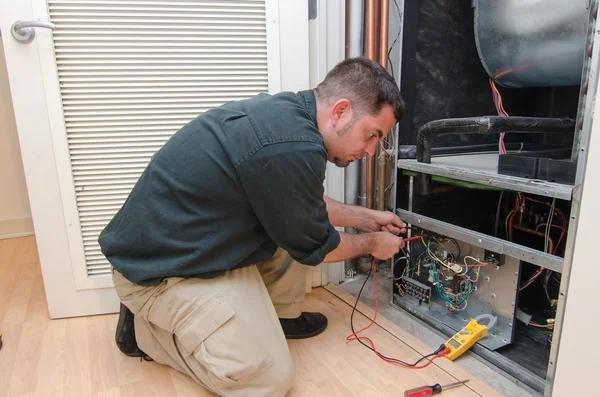
Frequent repairs are another important consideration. While occasional servicing is normal for any appliance, repeated malfunctions requiring costly fixes can quickly add up over time. If you find yourself calling a technician multiple times within a season or facing expensive parts replacements such as compressors or motors, investing in mercuryhomeservice.com a new air conditioning system could prove more cost-effective in the long run.
Energy efficiency improvements in newer models contribute greatly to lowering operational costs and reducing environmental impact. Modern units come with advanced features like variable speed compressors and smart thermostats that optimize cooling output based on real-time needs. These innovations help maintain consistent indoor temperatures while minimizing power consumption.
Additionally, refrigerant type plays a role in replacement decisions because older systems often use R-22 refrigerant (commonly known as Freon), which has been phased out due to environmental regulations. Finding replacement refrigerant for these units is increasingly difficult and expensive; therefore upgrading to newer models using eco-friendly refrigerants such as R-410A makes practical sense both economically and environmentally.
Homeowners should also evaluate their current comfort requirements before replacing an air conditioner. Changes in household size or lifestyle may demand different cooling capacities or zoning options that older equipment cannot provide efficiently.
In summary, the right time for air conditioner replacement generally arises when your existing unit becomes inefficient at cooling your home properly, requires frequent costly repairs, uses outdated refrigerants no longer supported by regulations, or simply reaches the end of its expected service life around 10-15 years old. Upgrading ensures better energy efficiency savings along with improved comfort levels through modern technology enhancements tailored to today’s needs. Consulting with HVAC professionals can help assess whether repair or replacement offers greater value based on individual circumstances and budget considerations. Making this decision proactively prevents unexpected breakdowns during peak heat periods while optimizing overall system performance moving forward.
Mercury Home Services
Fallston, MD 21047
443-616-1589