Maintaining a comfortable living environment in your home largely depends on the efficiency and reliability of your HVAC system. For residential property owners, understanding how to properly care for heating, ventilation, and air conditioning units is essential to ensure long-lasting performance and energy efficiency. Regular maintenance not only extends the lifespan of these systems but also helps avoid costly repairs and unexpected breakdowns during extreme weather conditions.
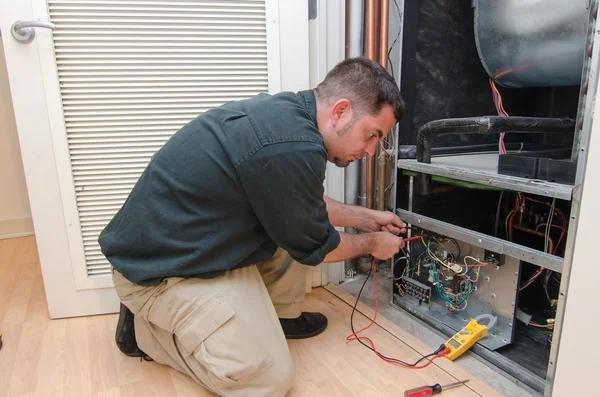
The first step in effective HVAC care is scheduling routine inspections by qualified professionals. These experts can identify potential issues early on, such as worn-out components or refrigerant leaks, which may compromise system functionality. During an inspection, technicians typically clean or replace air filters, check electrical connections, verify thermostat settings, and assess airflow throughout the ductwork. Clean filters are crucial because clogged ones restrict airflow and reduce system efficiency while contributing to poor indoor air quality.
Another important aspect involves keeping outdoor units free from debris like leaves or dirt that might obstruct airflow around condenser coils. Proper airflow enhances heat exchange processes critical for cooling performance during hot months. Additionally, ensuring that vents inside the home remain unobstructed allows conditioned air to circulate evenly in all rooms.
Energy efficiency should be a priority when considering upgrades or replacements for older HVAC systems. Modern units often feature advanced technologies designed to minimize energy consumption without sacrificing comfort levels. Investing in ENERGY STAR-rated equipment can result in significant savings on utility bills over time while reducing environmental impact.
Thermostat management plays a vital role in optimizing HVAC operation as well. Programmable thermostats enable homeowners to set temperature schedules based on daily routines, preventing unnecessary heating or cooling when spaces are unoccupied. This smart control contributes both to comfort and cost reduction by avoiding excessive energy usage.
For those experiencing uneven temperatures across different areas of their home, zoning solutions may offer relief by allowing independent temperature control within specific zones through multiple thermostats connected to dampers inside ductwork. This customization improves comfort while enhancing overall system efficiency.
In cases where indoor air quality is a concern due to allergens or pollutants, integrating additional filtration systems such as HEPA filters or UV lights into existing HVAC setups can provide cleaner air circulation throughout living spaces.
Finally, learn more about it here‘s important for homeowners to keep records of all maintenance activities and service visits performed on their HVAC systems. Documentation helps track warranty coverage periods and supports informed decisions about future repairs or replacements based on historical data.
By following these guidelines for regular upkeep alongside professional support when needed, residential property owners can enjoy reliable climate control year-round with reduced operational costs and improved indoor comfort levels throughout their homes.