Commercial refrigeration plays a vital role in the operations of restaurants and retail stores, ensuring food safety, preserving product quality, and maintaining compliance with health regulations. Choosing the right refrigeration solutions can significantly impact both efficiency and cost management for businesses in these sectors. Restaurants require reliable cooling systems to store perishable ingredients such as meats, dairy products, fruits, and vegetables at optimal temperatures. Retail stores often need display refrigerators that not only keep items fresh but also attract customers through appealing presentation. The diversity of commercial refrigeration options allows establishments to select equipment tailored to their specific needs.
Walk-in coolers and freezers are common in larger kitchens and storage areas where bulk inventory is kept. These units provide ample space for storing large quantities of products while maintaining consistent temperatures throughout the chamber. For smaller spaces or front-of-house applications, undercounter refrigerators offer convenience without compromising storage capacity. They fit seamlessly into kitchen layouts or behind counters in cafes and delis, allowing quick access during busy service periods.
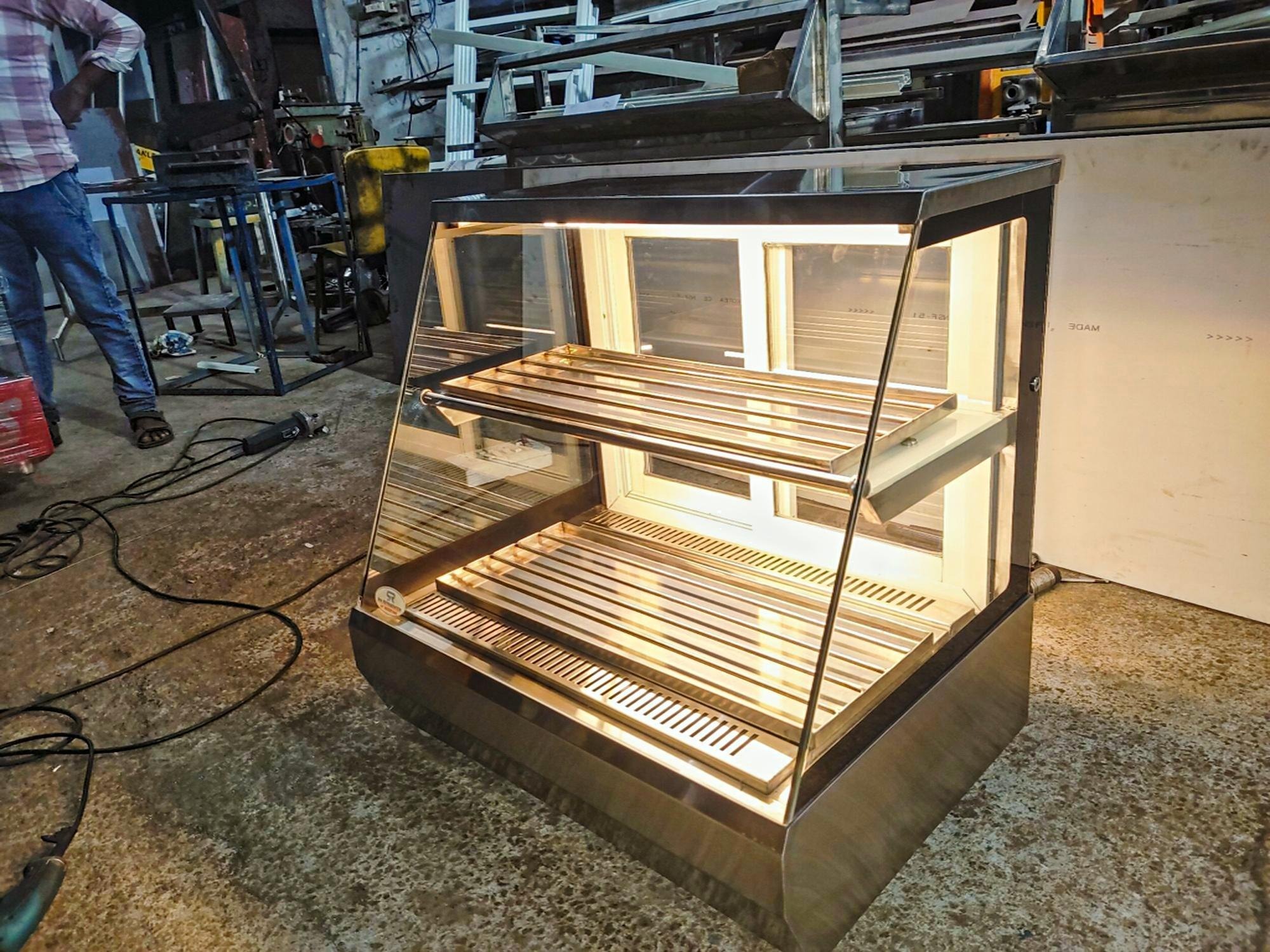
Display cases are essential for retail environments such as grocery stores or specialty food shops where visual appeal drives sales. These refrigerated units come with glass doors or open fronts designed to showcase products like beverages, prepared meals, or desserts while keeping them chilled. Energy-efficient LED lighting enhances visibility without generating excess heat that could affect cooling performance.
Energy consumption is a critical consideration when selecting Commercial Refrigeration equipment due to its direct effect on operating costs. Modern systems incorporate advanced technologies such as variable speed compressors and improved insulation materials to reduce electricity usage while maintaining temperature stability. Regular maintenance is also necessary to ensure optimal function; cleaning condenser coils, checking refrigerant levels, and inspecting door seals help prevent breakdowns and prolong lifespan.
In addition to physical requirements, businesses must comply with local health codes regarding temperature ranges for different types of food items stored within these units. Automated monitoring systems can alert staff if temperatures fall outside safe limits so corrective action can be taken promptly.
Ultimately, investing in high-quality commercial refrigeration solutions enhances operational efficiency by minimizing spoilage risks and supporting smooth workflows in kitchens or sales floors alike. By carefully assessing space constraints, product types handled daily, energy efficiency goals, and regulatory obligations before purchasing equipment ensures long-term satisfaction with the chosen system’s performance. Reliable refrigeration infrastructure forms an indispensable foundation for any restaurant or retail store aiming to deliver fresh products consistently while managing expenses effectively over time.