
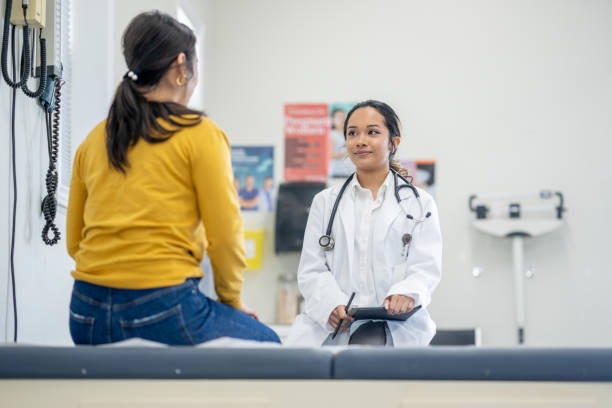
Genetic abnormalities in children born to healthy parents can be a source of confusion and concern for many families. It is important to understand that the presence of genetic conditions does not always indicate a problem with either parent’s health or genetics. In fact, many genetic disorders arise due to spontaneous changes or mutations in the genes during the formation of sperm or egg cells. These mutations can occur randomly and are not inherited from either parent, which explains why seemingly healthy parents may have a child with a genetic abnormality.
Genes are segments of DNA that carry instructions for how our bodies develop and function. Each person inherits two copies of every gene-one from each parent. Sometimes, errors happen when these genes are copied during reproduction, leading to what is called de novo mutations. These new mutations can alter normal development and cause various medical conditions depending on where they occur in the genome and their impact on gene function. De novo mutations are estimated to contribute significantly to several developmental disorders, including intellectual disabilities, autism spectrum disorders, and certain congenital anomalies.
In addition to new mutations, chromosomal abnormalities can also affect children born to healthy parents. Chromosomes are structures within cells that contain many genes arranged linearly along their length. Occasionally, errors occur during cell division before conception or early in embryonic development that result in missing or extra chromosomes or rearrangements between them. Conditions such as Down syndrome arise from an extra copy of chromosome 21 (trisomy 21), while other syndromes result from deletions or duplications of specific chromosome parts even when neither parent carries these changes themselves.
It is also possible for both parents to be carriers of recessive genetic traits without showing any symptoms themselves because they each have one normal copy paired with one altered copy of a particular gene. When both pass on the altered version simultaneously, their abnormal child may inherit two defective copies causing disease manifestation despite no previous family history.
Advances in genetic testing now allow doctors to identify many types of abnormalities before birth through prenatal screening techniques such as amniocentesis and chorionic villus sampling (CVS). Early diagnosis enables better preparation for managing potential health issues after delivery.
Understanding that genetic abnormalities can originate spontaneously helps reduce stigma associated with these conditions among families who appear genetically “normal.” Genetic counseling offers valuable support by explaining risks clearly based on individual cases rather than assumptions about parental health status alone.
Overall, although children born to healthy parents may develop unexpected genetic conditions due primarily to random mutations or chromosomal errors occurring at conception or early development stages, modern medicine provides tools for detection and management ensuring affected families receive appropriate care and guidance moving forward.
Head Office
168, BSNL Road, Near BSNL office, Sector 3, Hiran magri, Udaipur, Rajasthan 313001
Call
+91 90018 38800
+91 90019 97440
Email Us
dralkaivf01@gmail.com
Operating Hours
Mon – Sat 9 AM – 6 PM
Sunday 9 AM – 4 PM