
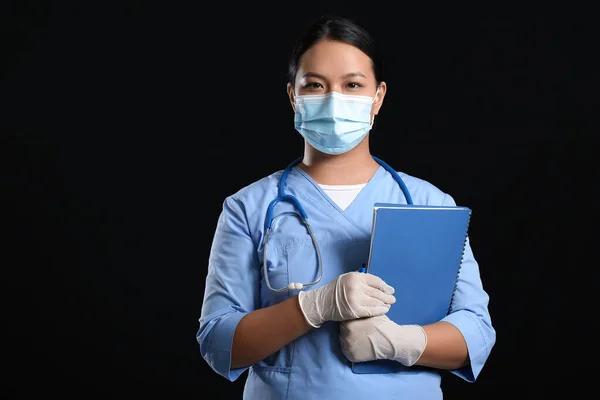
Clinical shadowing and public health experiences offer distinct learning outcomes that cater to different educational and professional goals within the healthcare field. Clinical shadowing involves observing healthcare professionals in a direct patient care environment. This exposure provides learners with firsthand insight into the diagnostic process, treatment planning, and the interpersonal dynamics between patients and providers. The primary learning outcome of clinical shadowing is the development of a deeper understanding of clinical skills, bedside manner, and the practical challenges faced by clinicians. Students gain an appreciation for the nuances of patient interactions, the importance of timely decision-making, and the complexity of managing various medical conditions. It also sharpens observational skills and fosters a sense of professional responsibility and empathy towards patients.
In contrast, public health education focuses on population-level health concerns rather than individual patient care. Learning outcomes in public health emphasize understanding the social, economic, and environmental determinants of health and how these factors influence disease patterns and health outcomes across communities. Students acquire skills related to data analysis, health policy development, program implementation, and evaluation. Public health experiences encourage critical thinking about health promotion, disease prevention, and resource allocation. Learners become adept at identifying health disparities, designing interventions to address systemic see our options issues, and working collaboratively with diverse stakeholders to improve community health. The knowledge acquired prepares students for roles that involve strategizing and executing broad-scale health initiatives rather than direct clinical treatment.
While clinical shadowing hones practical medical knowledge and interpersonal skills essential for future clinicians, public health training cultivates a macro-level perspective on health and equips learners with tools to analyze and influence health systems. Both pathways require critical observation and application of evidence-based practices, but their focal points differ significantly. Clinical shadowing is patient-centered and situational, often involving acute care settings where decisions can have immediate consequences. Public health is community-centered and strategic, focusing on long-term health trends and policies that affect large populations. The learning outcomes reflect these orientations; clinical shadowing enhances clinical acumen and emotional intelligence, whereas public health education builds analytical capabilities and policy awareness.
Choosing between clinical shadowing and public health depends largely on career aspirations. Those aiming for direct patient care, such as physicians or nurses, benefit immensely from clinical shadowing’s immersive environment. Conversely, individuals interested in health promotion, epidemiology, or health administration gain valuable foundational knowledge through public health experiences. Both learning experiences are complementary; understanding clinical realities can inform public health strategies, and public health insights can improve clinical practice by highlighting broader health determinants. Ultimately, the differences in learning outcomes highlight the diverse skill sets required in healthcare and underscore the importance of interdisciplinary approaches to improving health.